
About Smith Tower
Rum runners, the founder of a a typewriter, romantic superstitions, and ties to royalty are all woven into the historical fabric of this icon, which presents a window into the Emerald City’s colorful past. Classic architecture evokes an opulent era, a backdrop of craftsmanship that lives on through carefully crafted cocktails from an unrivaled, breathtaking vantage point high above Seattle.
For over a century, visitors have come here to take in Seattle from above, relax, and have a good time. When you visit, be sure to have a seat in the Wishing Chair, and keep your eyes out for more legends as you explore the thirty-fifth floor
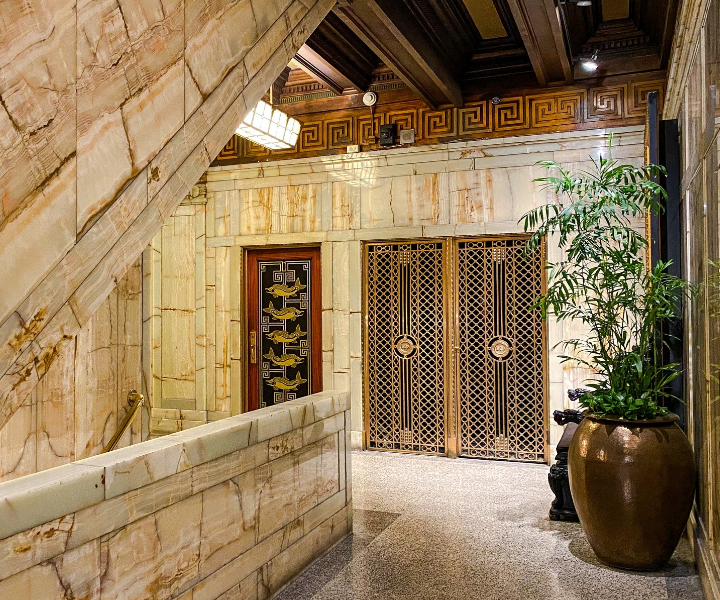
History
Other buildings may have more physical stories, but none has more stories of lore that are forever a part of Seattle’s history.
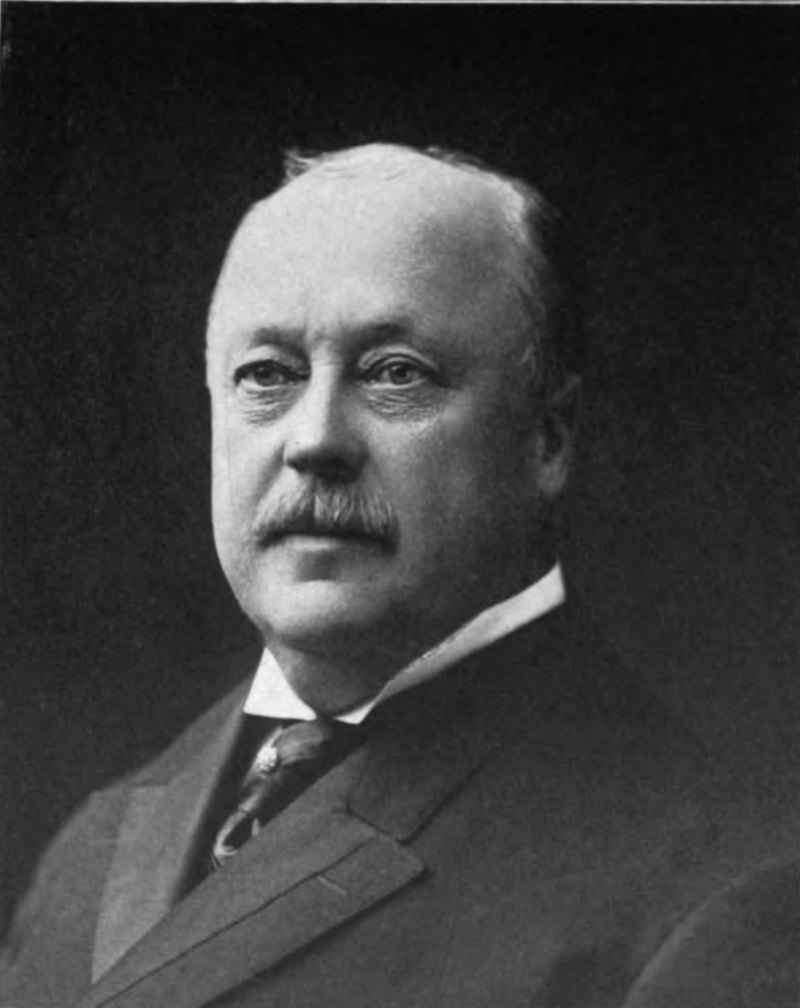
Dream big
A Monumental Achievement
May 1899
Lyman Cornelius Smith purchases the odd-shaped lot at the Northeast corner of Yesler Way and Second Avenue, then known as the Wirth Corner (or Bailey Corner) from Wiliam E. Bailey.
1909
Smith begins plans for a 14-story building for Bailey Corner. After consulting with his business partner Clise about what kind of building Seattle’s economy would bear, his son, Burns Lyman Smith, convinced him to build a much taller skyscraper to steal the crown from rival city Tacoma’s National Reality Building as tallest building west of the Mississippi River.
February 1910
Architect Edwin H. Gaggin arrives in Seattle with blueprints and an official announcement for a 26-story building that would be the highest west of the Mississippi and outside New York City.
June 1910
L.C. announces construction of an unheard of 40-floor (35 story base, 5-story tower) building on the condition that Seattle’s city hall and civic center not be moved uptown from their property at Third Avenue and Yesler Way on the adjoining block. The proposed Smith Tower would be the third tallest office building in the world behind only the Metropolitan Life Insurance Company Tower and Singer Building in New York City.
DREAMS TO REALITY
BREAKING GROUND
October 1910
B.L. Smith and E.H. Gaggin return to Seattle with final plans for a 467-foot, 42 story (22- story base, 20-story tower) building that would incorporate all the modern features of the other skyscrapers of the day.
February 24, 1911
The final building permit is issued for Smith Tower.
September 5, 1911
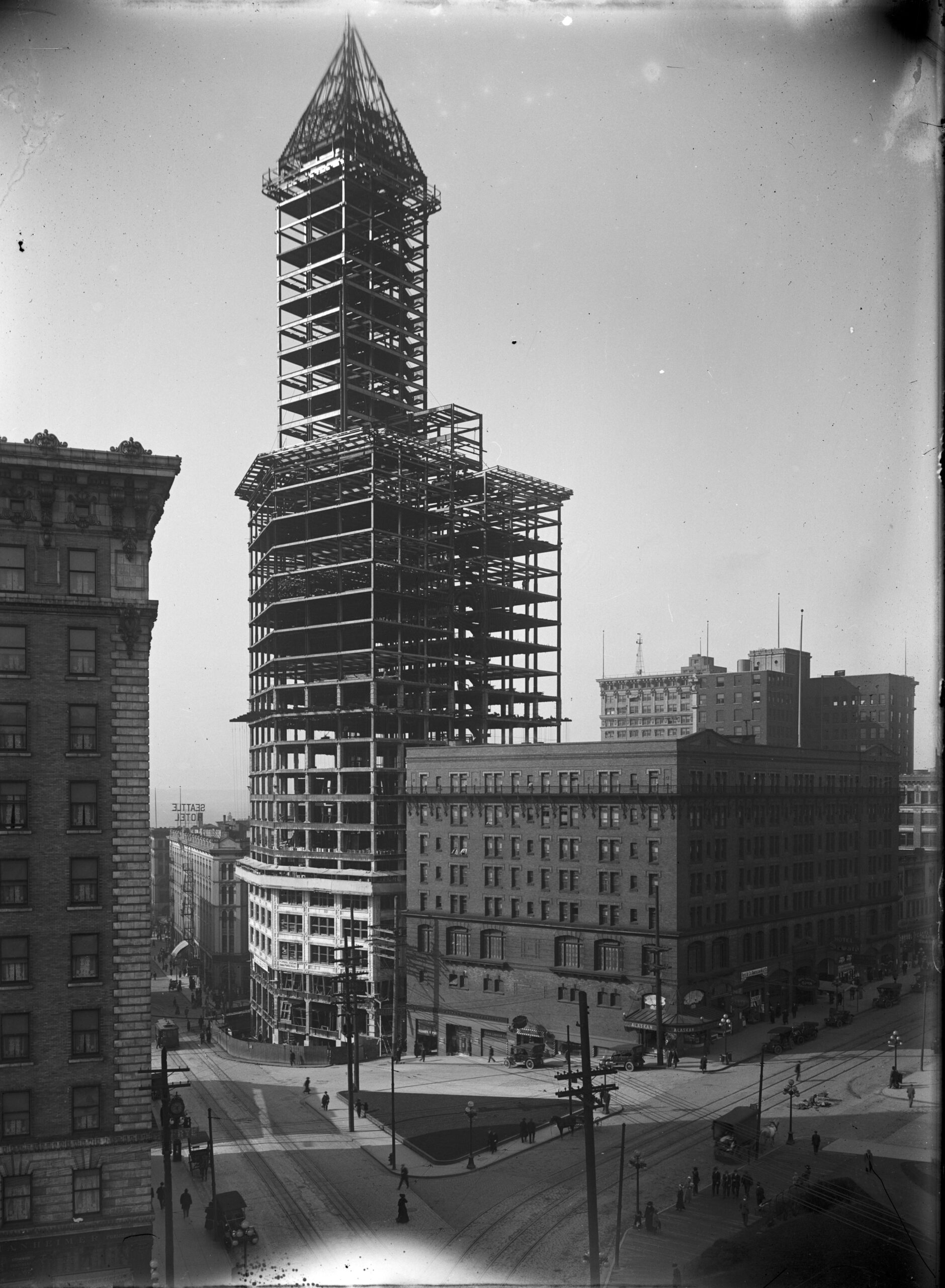
The final contracts for general construction and excavation were signed by the New York- based Whitney-Steen Company. They would, in turn, contract the American Bridge Company to provide and assemble the nearly 5,000 tons of steel required to build Smith Tower’s frame.
November 1, 1911
Selective demolition begins, marking the official start of construction.
February 15, 1913
The final rivet of the building’s steel frame was driven. Seattle Times photographer Will T. Curtis scaled the building to capture the event.
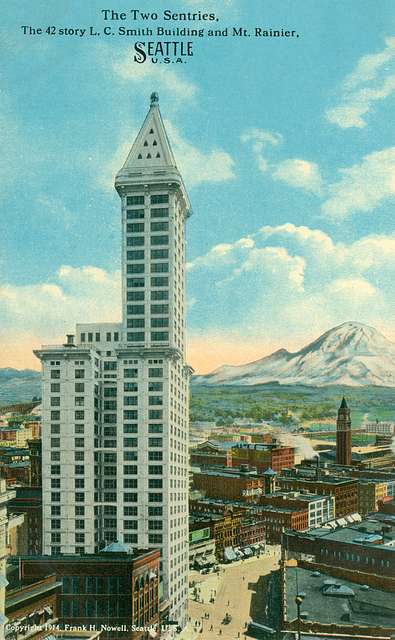
Opening Day
July 4, 1914
Smith Tower opens to the public.
L.C. Smith did not live to see the construction begin, but his namesake building was completed to a height of 143m/469 feet from curbside to the top of the pyramid with a pinnacle height of 159m/522 feet. Over 4,000 Seattleites traveled to the thirty-fifth-floor Observatory in the original Otis elevator we still use today. They paid only 25 cents for the ride. Originally, there were 540 offices, six retail stores, two telegraph offices, and a public telephone station in the building.
SMith Tower Facts
Take a trip through history with these fascinating fun facts about Smith Tower.
Smith Tower was the vision of Lyman Cornelius (L.C.) Smith, an industrialist from New York who made a fortune selling typewriters and firearms. L.C.’s wife fell in love with Seattle and convinced him to purchase the land at Second Avenue and Yesler that would eventually become Smith Tower.
Neighborhood
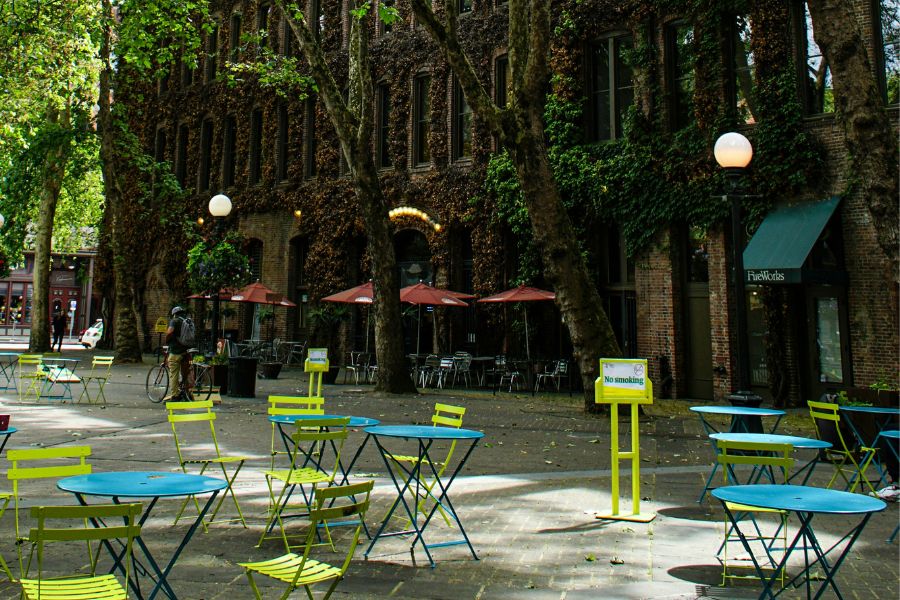
Smith Tower is located in the heart of Pioneer Square, south of downtown Seattle. Pioneer Square is rich in history, having served as the city’s original port and lumber hub. Today the neighborhood is known for its historic architecture, “First Thursday” art walks, restaurants, bustling nightlife, boutiques, and galleries.
Ticket Info & Hours
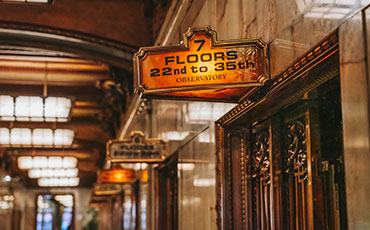
Start planning your visit to the iconic Smith Tower, where you’ll be treated to breathtaking views and fascinating history.

Rum Runner's Membership
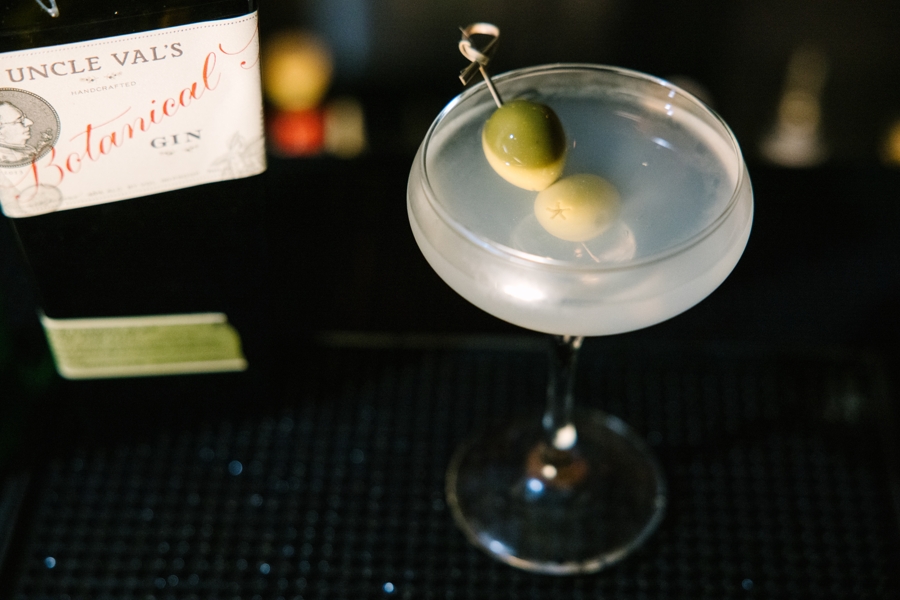
In honor of our bootlegging roots, we offer a Rum Runner’s Membership so frequent guests can enjoy swanky perks.